
Research
The Hernandez Lab focuses on understanding the population genetics, genomics, and evolutionary biology of cacti and agaves, with a strong emphasis on conservation. Our research integrates cutting-edge genomic techniques, safe and solid fieldwork logistics and a strong network of national and international collaborators to study genetic diversity, adaptation, and genomic vulnerability in these iconic desert plants. We are developing the tools to investigate how environmental pressures, such as climate change and habitat fragmentation, impact the genetic health and resilience of varieties and species, aiming to inform conservation strategies. Through collaborative efforts with local and international institutions, we also explore the conservation status of current ex-situ collections to propose prioritization analyses and resource focus towards better conservation outcomes. An important part of our work involves interactions with our communities, and we develop community science projects not only to outreach and raise awareness of climate change threats to species, but also to develop collective conservation actions.
Our four goals:

Unlocking the Evolution & Biodiversity of Cacti and Agaves Through Genomics
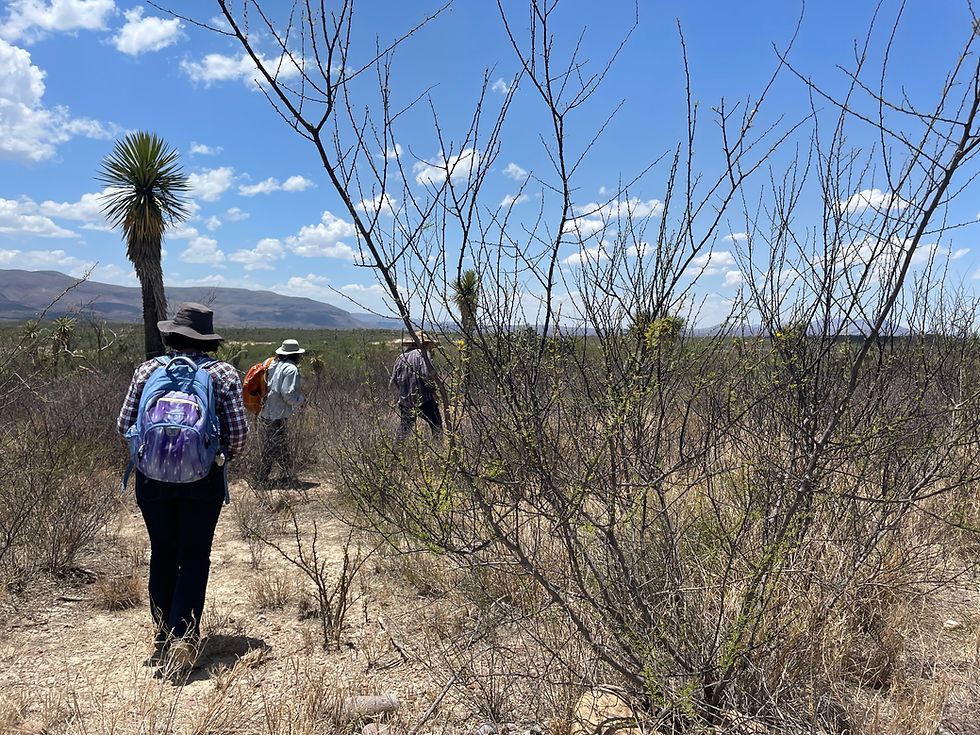
We use genomic research to uncover the evolutionary history and biodiversity of cacti and agaves. Our work involves developing new research protocols, solving fieldwork challenges across international borders, and training the next generation of experts in genomics, cactus, and agave biology. By working with a diverse network of collaborators, we are expanding our understanding of these fascinating plant groups.

Applying Genomics to Conserve Endangered Cacti and Agaves
Our lab has pioneered genomic methodologies for species like Saguaro (Carnegiea gigantea) and blue agave (Agave tequilana). Now, we are expanding these efforts to endangered species, starting with those in our region. This work integrates field expeditions, data collection, DNA analysis, and conservation programs involving herbarium specimens, seed banks, and living collections. Through this approach, we aim to strengthen conservation efforts for the world’s most threatened cacti and agaves.

Strengthening Ex-Situ Conservation Through Collaboration
Conserving plants outside their natural habitats (ex-situ conservation) requires a shift in how we think, work, and plan. Traditionally, botanical gardens and seed banks house only a few individuals of each species, but this is not enough to safeguard genetic diversity. We advocate for a new model: interinstitutional partnerships and community-based efforts that ensure hundreds of specimens are maintained across multiple locations. By working together, we can create more effective conservation strategies.

Rethinking Plant Conservation in Urban Spaces
As the world becomes increasingly urbanized, we need to reimagine ex-situ conservation. Botanical institutions often lack the space to maintain large-scale living collections, but green urban spaces—both public and private—are abundant. We believe in moving plant conservation beyond museum-like settings and into cities, integrating rare and endangered species into urban landscapes. This approach bridges conservation with community engagement, making biodiversity protection a shared responsibility.
Here are examples of our most important projects:
01
The Genomics of Tequila and Mezcal Agave Domestication
02
Saguaro Population Genetics and Genomic Vulnerability under Climate Change
03
Towards GCC-Cactaceae: The Global Metacollection of Cactaceae and Agave
04
The Cactaceae Genomics Tree of Life: generating cactus genomes for future generations
05
The rise of the giants: origin, evolution and diversification of the columnar cactus of north America
06
Community Science: The Saguaro Initiatives
07
Are cactus dying in the desert? Saguaro mortality rates in the Phoenix Metropolitan Valley